
Food grown nearby at the right time of year often tastes better and helps you cook more variety without trying too hard.
When fruit and veg are picked ripe and sold near where they grew, they usually spend less time in cold storage. That helps keep vitamins like C and folate, which fade when produce sits around. Broccoli from the Hunter sold at a Newcastle market last week often looks greener and feels firmer than broccoli trucked in from far away out of season.
Tomatoes that ripen on the plant in summer taste sweeter and carry more of their natural red pigments than tomatoes picked early for long trips. Better flavour makes it easier to eat more vegetables without feeling like you are on a diet.
You do not have to be perfect. Frozen Aussie peas and berries are fine when fresh is expensive or unavailable. When you can, buy local and in season — and let the month of the year suggest what to cook next.
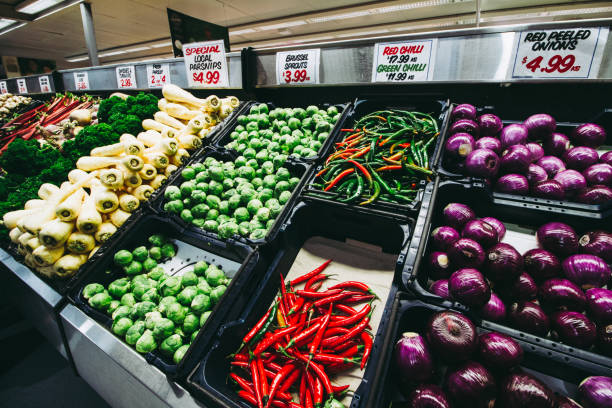
Less travel often means fresher food on your bench.
Asparagus, strawberries, peas, lettuce, and new-season potatoes appear. Light salads with herbs suit warming weather. Try asparagus with lemon and olive oil within days of purchase.
Stone fruit, mangoes, zucchini, tomatoes, and berries dominate. Raw platters and grills work well. Stone fruit needs gentle ripening on the bench — not the fridge until ripe.
Apples, pears, figs, pumpkins, and mushrooms. Roast trays and soups return. Japanese pumpkin stores well for batch roasting.
Citrus, brassicas (cauliflower, kale, cabbage), and root veg. Fermented slaws and slow bakes add warmth. Mandarins are portable snacks for lunchboxes.
People who eat a wider mix of plants tend to get more different vitamins and fibre. Shopping in season pushes you that way because the shop shelves change — you naturally pick different veg across the year.
Leafy greens lose vitamin C if they sit in a warm car or fridge door. Buying smaller amounts more often cuts waste. Stand herbs in a glass of water like flowers, and keep apples and bananas away from lettuce — they make greens wilt faster.
Near New Lambton, mix a greengrocer run with your usual supermarket shop. Wednesday stir-fry? Market bok choy, pantry ginger, and a tin of chickpeas — fresh where it counts, easy the rest of the week.
Scrub dirt off potatoes and carrots. Wash the outside of melons before you cut them. Put cut fruit in the fridge within two hours on hot days. If you are pregnant or have a weak immune system, be careful with sprouted seeds and unpasteurised juice — ask your doctor if unsure.