
Seasonal Aussie food, a mix of crunchy and soft on the plate, and an easy way to see if your meal has a bit of everything.
Build your plate See what's in seasonEating a wider range of foods does not mean fancy ingredients or strict rules. It simply means swapping things across the week — different veg colours, another grain, fish one night and lentils the next. Some nutrition research suggests that eating a wider mix of plant foods can help you get a broader range of vitamins and fibre — but needs vary by person. You do not need a perfect plate every time.
For most of us in NSW and across Australia, it starts at the shop: try chickpeas if you usually only use mince, use barley instead of white rice once a week, or throw an extra vegetable into a stir-fry you already make. Small changes you can repeat beat big diets you give up after two weeks.
More variety also means more flavours you actually enjoy. That makes cooking at home, packing lunch, and feeding the family easier — which is where most of us eat anyway.
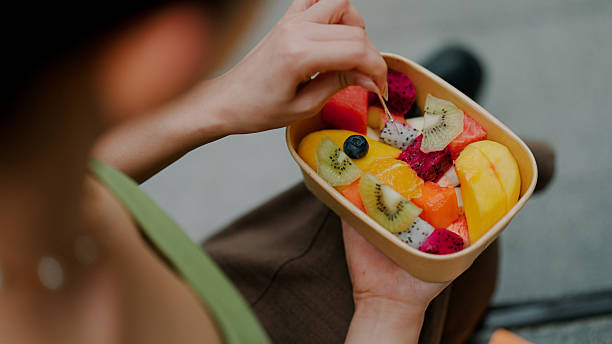
Food from nearby growers is often fresher because it has not travelled as far.
When fruit and veg are picked in season and sold close to home, they usually taste better and keep more of their vitamins. Vitamin C, for example, drops when produce sits in storage too long. Hunter Valley stone fruit, Riverina citrus, and greens from local NSW markets are good examples — they often look brighter and feel firmer than food shipped from far away.
Eating with the seasons also changes what you buy without effort: asparagus in spring, mangoes in summer, cauliflower and kale in winter. The shop display shifts, so you naturally eat different plants — not just different colours, but different families of vegetables, which means different fibres and plant nutrients.
We show what is usually in season around New Lambton and how to cook it with things you already have in the cupboard. Read more about seasonal food.
Meals feel more satisfying when the plate is not all the same texture. A crisp salad next to soft roast pumpkin, or crunchy nuts on warm veg, keeps things interesting and is easier to eat for many people. Raw food adds freshness and water; gentle cooking makes veg tender and can help your body use some nutrients better. A little healthy fat — avocado, olive oil, nuts — helps you take in vitamins from vegetables.
On a busy night, try this: warm quinoa, roasted cauliflower, raw shredded cabbage, avocado, and lemon-tahini on top. You get hot and cool, soft and crunchy, without a heavy sauce. Do not boil everything until it is mush — leave a bit of bite in broccoli and beans.
Our guide shows simple Aussie combos: fresh peas with slow lentils, or grilled fish with a crisp fennel salad. See how to mix textures.
Think of your meal in four parts: veg, protein, carbs (like rice or potato), and healthy fats. Tap a section on the plate, choose a food, and we will tell you in plain English what might be missing — for example, lots of chicken but no greens? We might suggest spinach or broccoli.
This is a learning tool only. We do not count calories or call foods "good" or "bad." It helps you spot habits — always skipping salad? Everything soft and no crunch? Use it before you shop or when you plan meals for the week.
Open the plate builderYou have plenty of protein but no greens — add spinach or broccoli for balance.
Good food habits keep your family safe. Keep cold food in the fridge (around 5 °C or below) and serve hot food steaming hot (above 60 °C). Use a separate chopping board for raw chicken and another for salad. Wash your hands before touching fresh herbs and after handling eggs.
Rinse veg under the tap even if the bag says washed. Once you open a tin of beans, put leftovers in a sealed container and use them within two days. If you cook a big batch of rice or pasta, cool it quickly and put it in the fridge within two hours — leaving it warm on the bench can make you unwell.
If you have a health condition, are pregnant, or have allergies, follow advice from your doctor or dietitian. This site is only general tips. Be extra careful with soft cheese, sprouted seeds, and undercooked fish if you are in a higher-risk group.
| Date | Event | Location |
|---|---|---|
| 14 Jun 2026 | Market walk — spring greens and citrus | New Lambton (meet at Fleet St area) |
| 28 Jun 2026 | Build your plate — workshop (bring your lunch ideas) | Community room, Oxford St precinct |
| 12 Jul 2026 | Cooking demo — raw and roasted on one plate | New Lambton NSW |
| 26 Jul 2026 | Pantry swaps — tasty meals on a budget | Online + optional in-person Q&A |
No. Spread variety across the week. One day might be beans and rice; another fish and salad. You are aiming for rotation over time, not a packed plate every night.
No. Frozen peas, tinned tomatoes, oats, and apples in season are cheap and useful. Mixing everyday foods matters more than buying rare imports.
Tap a section (veg, protein, carbs, fats), pick a food from the list, and read the message below. It tells you what might be missing — like greens when you have lots of meat.
Many families use these ideas for children, but growth, allergies, and medical diets need individual advice. Serve familiar pasta with crunchy veg on the side, and ask your GP or child health nurse if you are unsure. This site does not replace paediatric or dietetic care.